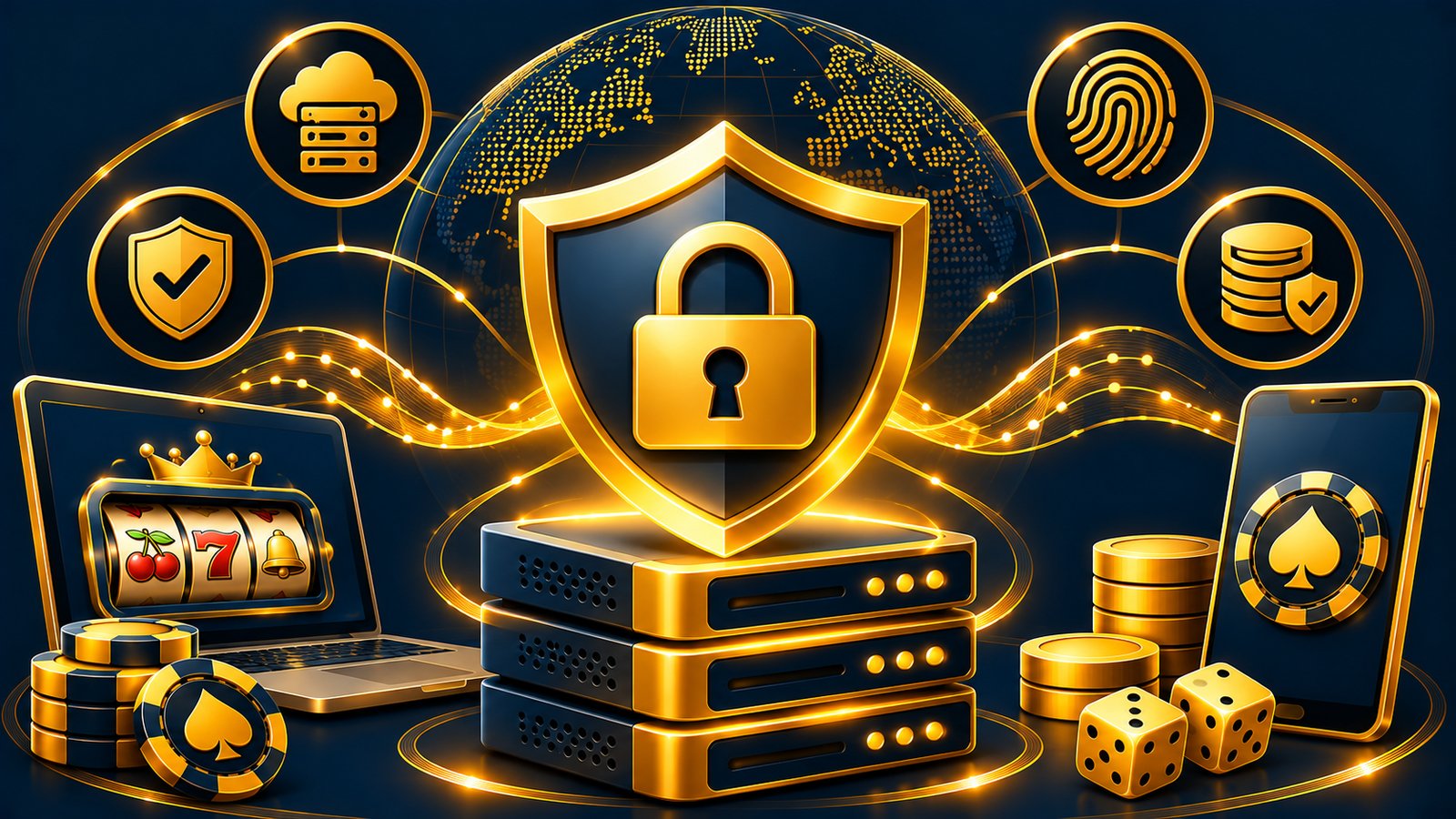
An online gambling account holds money and sensitive personal data, which makes it a prime target for attackers. Understanding how platforms protect that data — and how to spot the ones that do it well — is a core part of iGaming literacy.
Encryption in Transit
The foundation is TLS encryption, shown as the padlock in a browser. It ensures that data travelling between your device and the server cannot be read in transit. A platform that does not force HTTPS on every page, including login and cashier, should be avoided entirely.
Encryption at Rest
Good operators also encrypt stored data, so that a database breach does not immediately expose readable passwords or payment details. Passwords should be hashed, not stored in plain text, and sensitive fields should be encrypted or tokenised.
Authentication and Account Protection
Two-factor authentication is the single most important account-level defence, and a platform that offers it is taking security seriously. Look also for login alerts, session management and the ability to see and revoke active sessions.
Payment Security
Card details should be handled through PCI-compliant processors rather than stored by the casino itself. The use of established payment rails — rather than direct card capture — is a strong positive signal.
Regulatory Security Standards
Licensed operators are typically required to maintain security standards and report breaches. That obligation is why the licence matters beyond legality. See licensing authorities for how supervision works in practice.
Signals of a Secure Platform
- HTTPS everywhere, no mixed content.
- Two-factor authentication available.
- Payment handled by known processors.
- A current licence from a real authority.
- A clear privacy policy describing data handling.
For the identity checks that pair with these controls, read KYC and identity verification.
 SLOTKAKI
 IDN96
 DURIANWIN
 PGGAMES